
By Jaklin Sookiassian · November 3, 2026

After a bicycle crash in Las Vegas, a claim usually starts with the at-fault driver's insurance, and Nevada law lets you recover even if you were partly at fault, as long as your share is 50 percent or less. What you do in the first days (medical care, a police report, and saving your bike, gear and ride data) shapes how the claim goes.
This guide explains the process; it isn't legal advice for your situation.
How a bicycle accident claim works, step by step
Most bike claims go through the same stages. Some stages overlap, and how long each one lasts differs from claim to claim.
- Crash day. Take care of your health before any paperwork. Call 911 if you're hurt, and if an officer comes, let them document the scene. Inside the city of Las Vegas and in unincorporated Clark County, that's usually LVMPD. In Henderson or North Las Vegas, the city's own police respond, and on highways it may be the Nevada Highway Patrol. Before the driver leaves, write down their name, insurer and plate.
- The first week. If you didn't get a report or event number at the scene, ask for one. See a doctor for follow-up, even for soreness that seemed minor at first. If you have an auto policy, tell your own insurer about the crash, and write down any claim number the driver's insurer gives you. Before you agree to a recorded statement, read our guide to talking to an insurance adjuster. Our post on who pays medical bills after a crash explains how treatment is billed while a claim is open. This is also the time to export your ride file and camera footage, before an app sync or a full memory card replaces them.
- Treatment. Go to your appointments and follow the care plan. Keep every bill, receipt and record, and note each shift or workday you missed. A short weekly note about pain, sleep and the rides you can't do yet shows more than the bills do. Many claims wait until the medical picture is clearer, because a claim can't include losses no one knows about yet.
- The demand. A demand is a written claim sent to the insurer. It explains how the crash happened, why the driver is responsible, and what the injuries have cost. The medical records, bills and proof of lost income go with it.
- Insurer review and offers. The adjuster reviews the file, may ask for more records, and may question fault or the treatment. The insurer then usually makes an offer, and the two sides may go back and forth.
- Settlement, or a lawsuit. If the two sides agree on a number, the claim settles, usually in exchange for a signed release that ends it. If they don't agree, a lawsuit has to be filed before Nevada's deadline (see Deadlines below).

Who pays: the order insurance usually comes in
A single bike crash can involve more than one insurer. They usually come in roughly in this order:
- The at-fault driver's liability insurance. This is usually the first place to look, because it exists to pay for harm the driver causes to other people.
- Your own or your household's auto policy. You were on a bicycle, but a car policy you hold, or one held by someone you live with, may still help, depending on its terms. The two coverages that matter most often are uninsured and underinsured motorist coverage and medical payments coverage.
- Your health insurance. It may pay treatment bills as they arrive while the injury claim is still open.
- A rental or bike-share agreement. If you were riding a rented or shared bike, keep a copy of the agreement and any app receipts so its terms can be checked.
Keep one page that lists every insurer, claim number and adjuster name. When several companies are involved, that page prevents a lot of confusion.
Nevada bicycle rules and how they come up in a claim
Insurers often build their position on a bike claim around a traffic rule. Here is how the rules that come up most often tend to show up in a dispute.
"The driver acted like I didn't belong on the road." Nevada law generally gives someone riding a bicycle on the road the same rights and duties as the driver of a vehicle, with some exceptions. That works both ways. The driver had to share the road, and the insurer may check whether you stopped at signals and signs.
"The car passed too close." A driver passing a rider must use due care. If there's another lane going the same direction and moving into it is reasonably safe, the driver must move into the lane to the left. If there's only one lane, the driver must pass at a safe distance of at least 3 feet. Several things can help show how big the gap really was: a rear-facing light camera, a witness from a group ride, or damage to your left handlebar or the car's mirror.
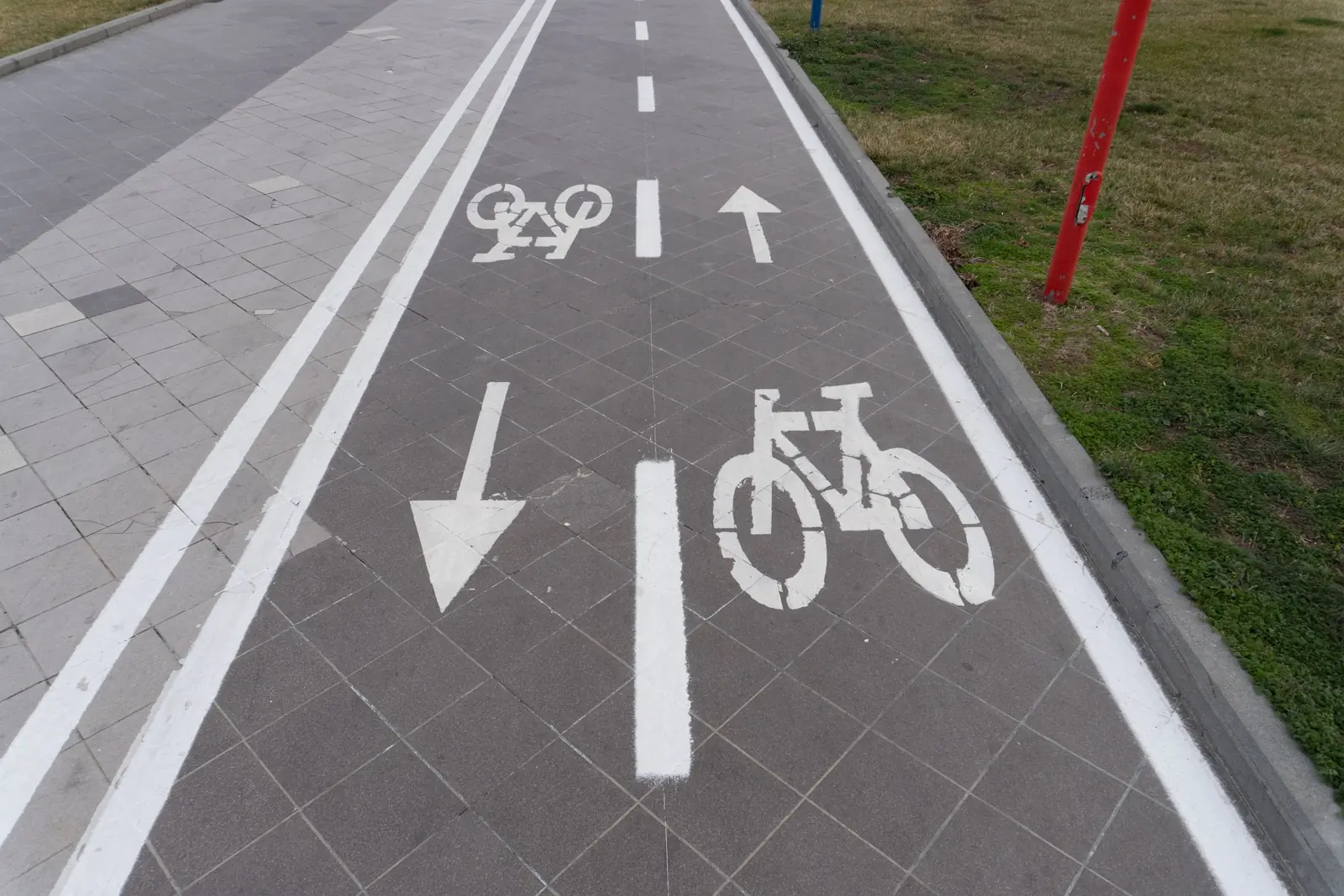
"The driver cut across the bike lane." Drivers have to yield to riders in a bike lane. They generally can't drive, stop or park in it, except in narrow cases such as entering or leaving an alley or driveway, a disabled vehicle, or avoiding a conflict with other traffic. Right-turn crashes and cars pulling over to drop someone off often turn on this rule.
"You weren't in the bike lane" or "You were in the middle of the lane." Riders are generally expected to stay to the right when that's practicable. The rule has exceptions, such as keeping pace with nearby traffic, getting ready to turn left, or steering around debris or a lane too narrow for a car and a bike side by side. Photos of the road surface and the lane width, together with your ride data, can show why you were where you were.
"It was getting dark and the driver says they couldn't see me." Nevada requires a bicycle used at night to have a white light on the front, a red reflector on the back, and reflective material or a light that can be seen from both sides. Whether the rule applied at all depends on the time and the light, so the time stamp on your ride file and any photos of your lights matter.
"A door opened right in front of me." Nevada bars opening a vehicle door on the traffic side in a way that interferes with moving traffic. In a dooring claim, a key question is often who opened the door, since it may have been the driver or a passenger.
When the insurer says the crash was your fault
Insurers often blame the rider, but that isn't the final word. Nevada uses comparative fault. If your share of the blame is 50 percent or less, you can still recover, but the amount is reduced by your percentage of fault. A share of more than 50 percent bars recovery. Our post on Nevada's comparative negligence rule explains how fault is divided.
Here are arguments riders often hear, and the kind of proof that answers each one:
- "You were too far into the lane." Answer it with photos of the shoulder, parked cars or debris that pushed you left, and the GPS track of your line along the road.
- "You had no lights." Keep the lights themselves, establish the time of the crash, and look for photos or video from that day. If it was daylight, the night rule may not apply at all.
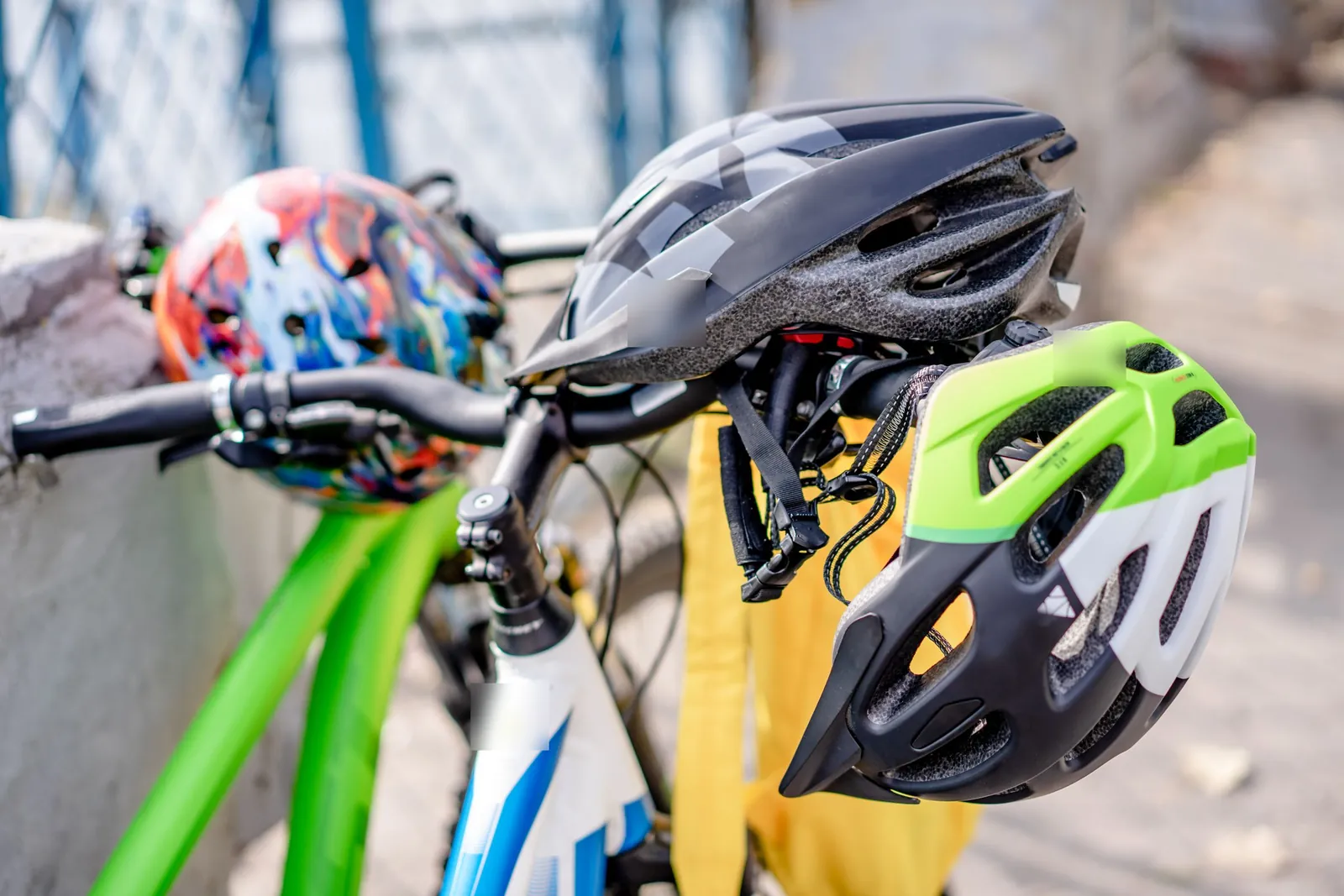
- "You weren't wearing a helmet." This may come up. Whether it affects the claim depends on the facts, including the kind of injury.
- "You came out of nowhere." Speed and position data from a bike computer or watch, along with camera footage, can show that you were visible and riding at a steady pace.
- "You ran the light." Witnesses, nearby business or doorbell cameras, and the officer's notes can help show who had the signal.
If the driver left the scene
If a driver hits you and drives off, call the police right away and tell them everything you noticed about the car. In that situation your own auto coverage may matter more, depending on its terms. Our page on finding a hit-and-run accident lawyer explains how drivers may be identified and what happens if they aren't.
What a bicycle claim can include
A claim asks for payment for the losses the crash caused. Depending on the facts, these may include:
- Medical costs, both for treatment you've already had and for care you're likely to need
- Lost income, for work you missed while recovering or a reduced ability to work
- Pain and suffering, meaning the physical pain and the effect on your daily life, including time you can't ride
- Property damage, covering the bicycle itself and gear such as your helmet, shoes, clothing, lights, bike computer and camera
For a closer look at each category, see our guide to what an injury claim can include. Every claim depends on its own facts.
Keep this file
A folder, on paper or on your phone, makes each stage easier. Put these in it:
- the event or report number and the officer's name
- the driver's name, insurer, policy number and plate
- a copy of your own auto policy's declarations page, if you have one
- each insurer's claim number and the adjuster's contact details
- visit summaries, prescriptions, receipts and every bill
- pay stubs or a letter from your employer about missed work
- exported ride files and original camera video, backed up in more than one place
- photos of the bike and gear, and a shop's written estimate
- short dated notes about pain and the activities you've missed
- copies of every letter or email from an insurer
Riding in Las Vegas and Summerlin: local details that can matter
The valley's weather lets people ride all year, and they ride for different reasons. Some commute downtown or toward the Strip along Las Vegas Blvd, Sahara Ave or Flamingo Rd. Others spend weekend mornings heading west on W. Charleston Blvd toward Red Rock Canyon, or stay closer to home in Summerlin on Town Center Dr, Hualapai Way and Rampart Blvd.
A few local patterns can shape a claim. In summer, many riders go out before sunrise to beat the heat. At dawn and dusk the sun sits low and can shine into a driver's eyes, which is one reason the exact time of a crash matters. The heat also means carrying water and planning shorter loops. That has nothing to do with fault, but a lot to do with riding safely.
Visitors riding rental bikes near the Strip get hurt too, and many fly home before the claim gets far. If that's your situation, our article for people injured while visiting Las Vegas explains what changes when you live out of state.

Deadlines
In Nevada, you generally have two years from the date of the injury to file a personal injury lawsuit (NRS 11.190(4)(e)). Claims against government entities are subject to special procedural rules and notice requirements under Nevada law. To learn more about how the deadline works, see our post on Nevada's injury deadline.
When to talk to a lawyer
Not every bike claim needs a lawyer. Talking with one can make sense when:
- the injuries are serious or you're still in treatment
- the insurer says the crash was mostly or entirely your fault
- the driver fled, or had little or no insurance
- a road defect or a government-maintained road may have played a part
- you were visiting and have already gone home
To see how we handle these cases, visit our page for a Las Vegas bicycle accident lawyer.
FAQ
Do I have to report a bicycle accident to the police in Las Vegas?
Calling the police is a good idea. An officer's report, and the event number that comes with it, is one of the first things insurers ask for. If no officer comes to the scene, ask the agency how to get the crash on record.
Can I make a claim if I wasn't wearing a helmet?
Yes, a claim may still be possible. The insurer may raise it, and how much it matters depends on the facts of the crash and your injuries.
Does my car insurance cover me when I'm on a bike?
It may, depending on the policy's terms. Uninsured or underinsured motorist coverage and medical payments coverage on your own policy or a household policy sometimes apply while you ride. The declarations page lists what the policy includes.
What if I was riding outside the bike lane?
That doesn't end a claim by itself. Nevada riders may move away from the right edge in some situations, such as preparing to turn left or avoiding hazards or a narrow lane. If some of the fault is assigned to you, Nevada divides it: a share of 50 percent or less does not bar recovery, but your recovery is reduced by your percentage of fault.
Can I claim for my bike, helmet and gear?
Often, yes, as part of the property damage. Keep the bike and gear without repairing them, and get a written repair or replacement estimate from a bike shop.
How long do I have to file a bicycle accident lawsuit in Nevada?
Generally two years from the date of the injury (NRS 11.190(4)(e)). Claims against government entities are subject to special procedural rules and notice requirements under Nevada law.
Questions about a bike crash claim?
Call (702) 518-8584 for a free consultation. No attorney's fee unless we recover compensation for you. You may still be responsible for costs.
The Sookiassian Firm, Ltd.
1980 Festival Plaza Dr, Suite 460, Las Vegas, NV 89135 (Downtown Summerlin)
Serving Las Vegas, Summerlin, Henderson and North Las Vegas.
We speak English, Armenian, Russian, and Farsi (Persian).
About the author

Jaklin Sookiassian is the founding attorney of The Sookiassian Firm, a Las Vegas personal injury and business law practice. She is admitted to the Nevada and New York bars and spent 2 years at Fried Frank, an AmLaw 100 firm in New York, where she practiced corporate finance.
This post is for general informational purposes only and does not constitute legal advice. It is not intended as specific legal advice for any individual case or situation. See our Terms of Service & Attorney Disclaimer.
Attorney Jaklin Sookiassian is responsible for the content of this website. The Sookiassian Firm, 1980 Festival Plaza Dr, Suite 460, Las Vegas, NV 89135.