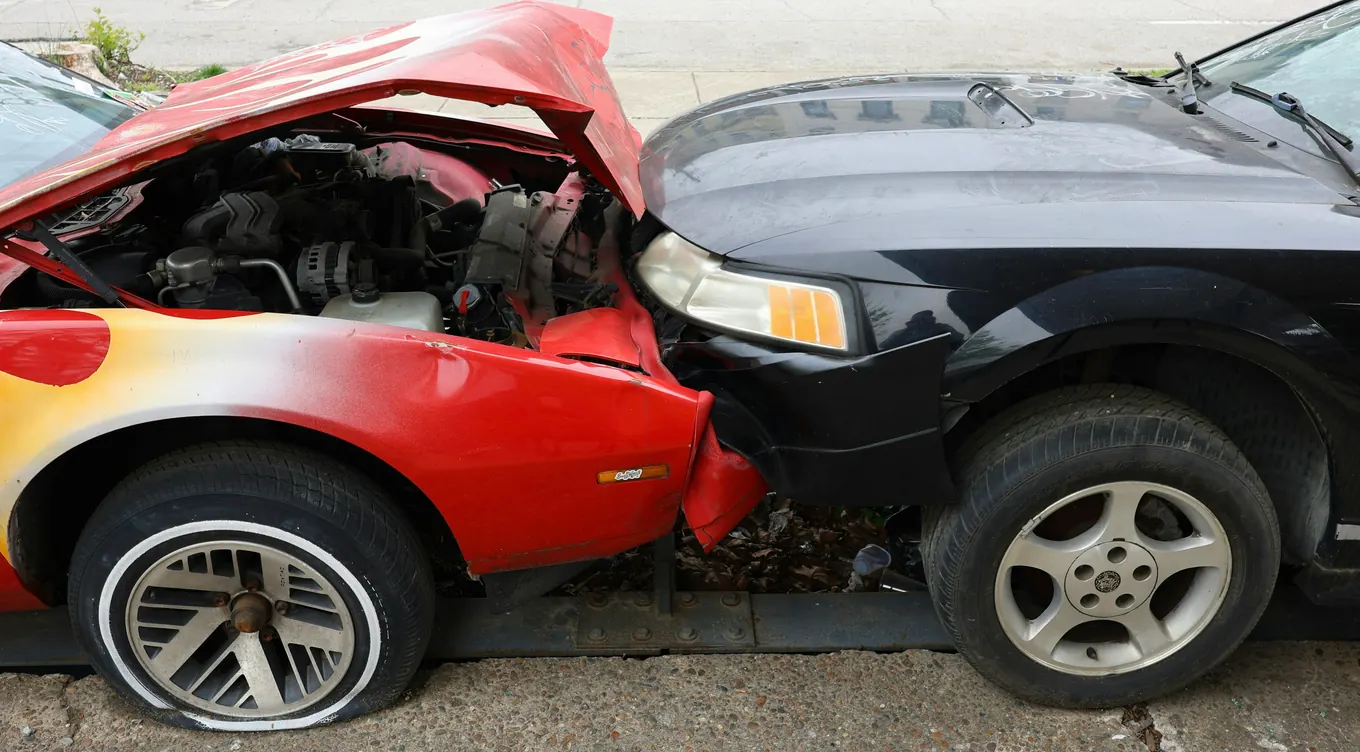
If a drunk driver hit you in Las Vegas, you may be able to recover compensation for your injuries through a civil claim, which is separate from the criminal DUI case. Your first steps are medical care and preserving evidence such as the police report.
Being hit by a drunk driver is more than just a traffic accident—it's a violation of trust and the law. Nevada law treats impaired driving seriously, and a few rules can matter in a civil injury claim after a DUI crash, including how a DUI conviction is treated as evidence and when punitive damages are available. If you've been hit by a drunk driver in Las Vegas or anywhere in Clark County, you have legal rights and options to recover compensation for your injuries, medical bills, lost wages, and pain and suffering.
This guide explains how the process works. The Sookiassian Firm helps people injured by impaired drivers understand their options under Nevada law. If you're looking for representation, see our Las Vegas drunk driving accident lawyer page.
Hit by a Drunk Driver?
Contact The Sookiassian Firm at (702) 518-8584 for a free consultation. No attorney's fee unless we recover compensation for you. You may still be responsible for costs.
Why DUI Accidents Are Treated Differently in Nevada
The Negligence Per Se Doctrine
Nevada law prohibits driving under the influence of alcohol, including driving with a blood alcohol content (BAC) of 0.08 or higher (NRS 484C.110). A lower limit of 0.04 applies to drivers of commercial motor vehicles (NRS 484C.120).
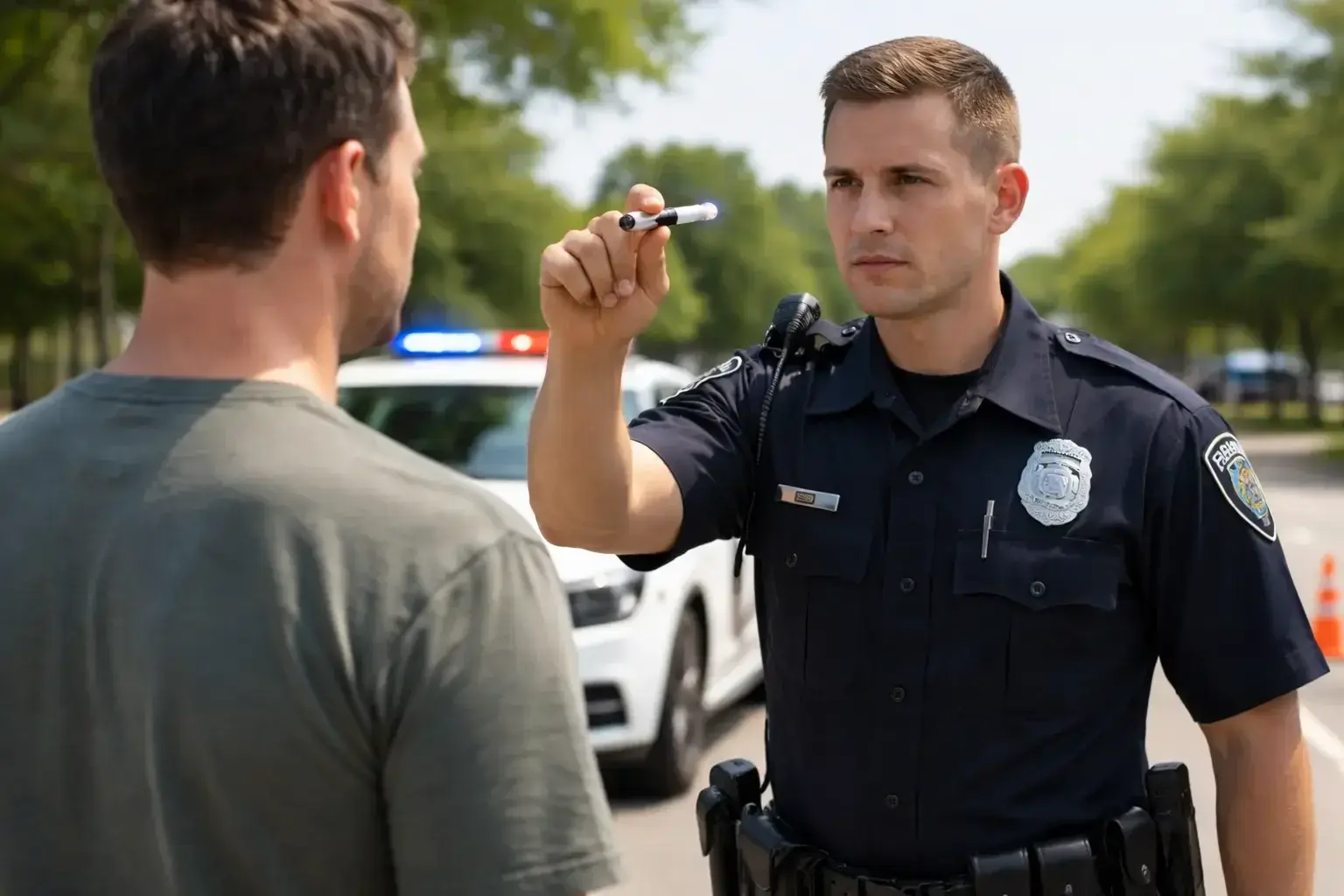
When a driver violates a safety law like these, Nevada courts may treat the violation as negligence per se. That means the violation itself can establish that the driver failed to use reasonable care, as long as the injured person is someone the law was meant to protect and the injury is the kind of harm the law was meant to prevent.
In a typical car accident, you have to prove that the other driver was negligent by showing they failed to exercise reasonable care. In a DUI accident, evidence that the driver was impaired can be part of that proof.
This doesn't mean a claim succeeds automatically. You still need to show that the crash caused your injuries and document the losses you're claiming.
Criminal Conviction Is Powerful Evidence
Nevada has a specific statute on how a criminal conviction affects a civil injury claim. Under NRS 41.133, if the driver is convicted of the crime that resulted in your injury, the judgment of conviction is "conclusive evidence of all facts necessary to impose civil liability for the injury." In plain terms, a DUI conviction arising from the crash can establish the facts needed for the driver's civil liability, so your civil case can focus on the injuries and losses the crash caused.
You don't have to wait for the criminal case to end before pursuing a civil claim. The civil claim is separate and has its own filing deadline, generally two years from the date of the injury under NRS 11.190.
Punitive Damages May Be Available
In regular car accident cases, you can recover compensatory damages: medical expenses, lost wages, pain and suffering, and other direct losses. In DUI cases, Nevada also has a specific punitive damages statute, NRS 42.010. It allows punitive damages when the defendant caused the injury by driving in violation of NRS 484C.110, 484C.130 or 484C.430 after willfully consuming or using alcohol or another substance.
NRS 42.010 states that "the provisions of NRS 42.005 do not apply" to these claims. NRS 42.005 contains Nevada's general punitive damages standard ("oppression, fraud or malice") and its general caps on the amount, so those general rules do not govern punitive damages in a DUI case that meets NRS 42.010.
Punitive damages aren't designed to compensate you—they're designed to punish the defendant and deter similar behavior in the future.
How to Prove the Other Driver Was Impaired
Police Reports and Blood Alcohol Tests
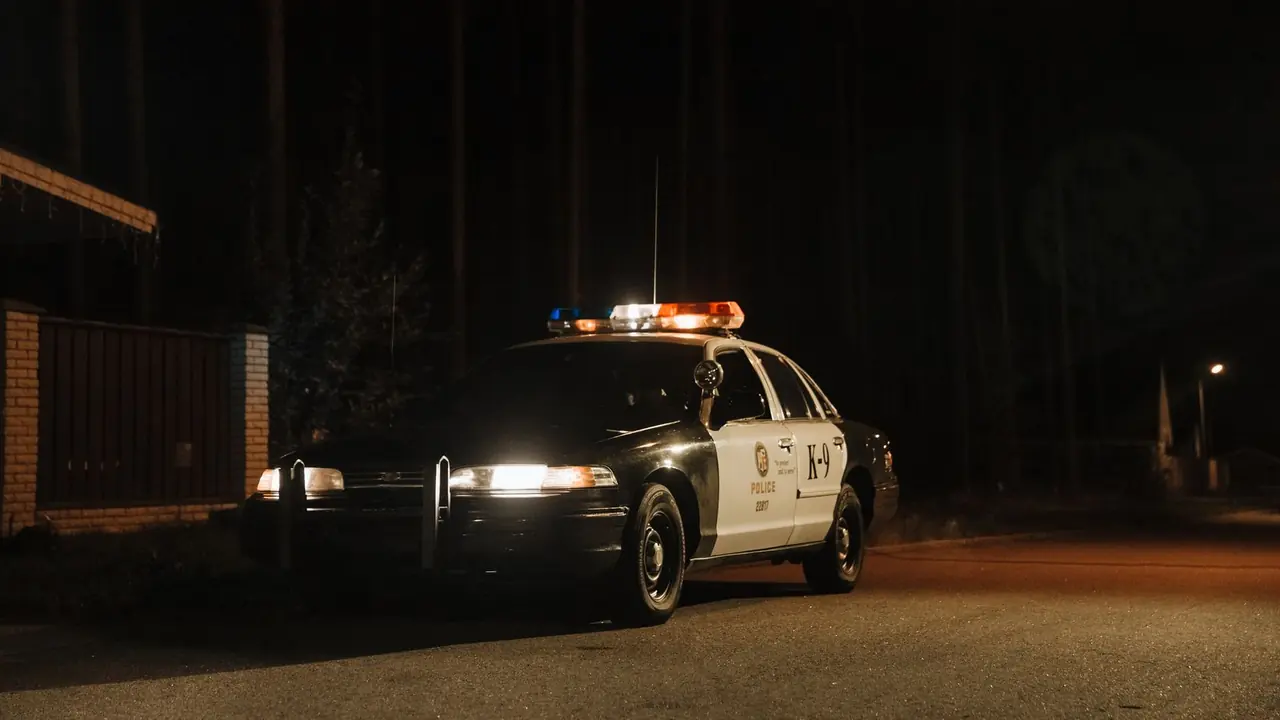
The most critical evidence in a DUI accident case is the police report. When officers respond to an accident, they typically document:
- Observations of the driver (slurred speech, lack of coordination, strong smell of alcohol)
- Field sobriety test results (walk-and-turn test, one-leg stand, horizontal gaze nystagmus test)
- Breath test or blood test results (showing BAC level)
- DUI arrest details
- Any statements the driver made at the scene
If the other driver was arrested and tested, this evidence is critical. In Nevada, it is unlawful to drive with a BAC of 0.08 or higher, including a BAC of 0.08 or higher measured within 2 hours after driving (NRS 484C.110). For drivers of commercial motor vehicles, the limit is 0.04 (NRS 484C.120).
Witness Statements
Eyewitnesses who saw the other driver's behavior before the crash can provide important testimony. If you're able, get names and contact information from witnesses at the scene. Witness memories fade, so it's important to document their statements early.
Vehicle Data and Accident Reconstruction
Modern vehicles record data—speed, braking patterns, airbag deployment—that can show whether the drunk driver failed to brake or was driving at an unsafe speed. Accident reconstruction can help show how a crash happened.
Social Media and Prior Conduct
If the drunk driver posted on social media about drinking that night, was at a bar before driving, or has prior DUI convictions, this evidence may be relevant to the claim. An investigation into the driver's conduct that night helps build a complete picture of what happened.
What Damages Can You Recover After a DUI Accident?

Economic Damages (Quantifiable Losses)
Medical Expenses: Past and future medical treatment related to your injuries—emergency room visits, surgery, hospital stays, physical therapy, medications, ongoing care.
Lost Wages: If your injuries forced you to miss work, you can seek lost income. If your injuries affect your ability to work long-term, future lost earning capacity may also be part of the claim.
Vehicle Repair or Replacement: The cost to repair your vehicle, or its fair market value if the vehicle was totaled.
Other Out-of-Pocket Costs: Mileage to and from medical appointments, medical equipment (crutches, wheelchairs, braces), childcare needed while you recovered, home care services.
Non-Economic Damages (Pain and Suffering)
Physical Pain and Suffering: Compensation for the physical pain you endured and continue to endure.
Emotional Distress: Trauma, anxiety, depression, PTSD, and loss of enjoyment of life resulting from the accident.
Loss of Consortium: If the accident affected your relationship with a spouse, a claim for this loss may be available.
Scarring and Disfigurement: If the accident left permanent visible injuries, damages may be available for the cosmetic impact and emotional consequences.
Punitive Damages (Drunk Driving Cases)
As explained above, NRS 42.010 allows punitive damages when an injury is caused by a driver who violated Nevada's DUI laws after willfully consuming or using alcohol or another substance. Whether punitive damages apply depends on the specific facts of the crash.
Free Case Evaluation
Call The Sookiassian Firm at (702) 518-8584 to discuss your DUI accident case. We'll review the facts and explain the types of damages that may apply.
The Claims Process: What to Expect
Step 1: Report the Accident and Seek Medical Attention
If you haven't already, report the accident to the police. Request a copy of the police report—it will be essential to your claim. Seek medical attention immediately, even if you don't think you're seriously injured. Some injuries (like whiplash, internal bleeding, or traumatic brain injury) don't show symptoms right away. Medical documentation creates a clear record linking your injuries to the accident.
Step 2: Gather Evidence
Collect:
- Police report and case number
- Contact information for witnesses
- Photos of vehicle damage, accident scene, and visible injuries
- Medical records and bills
- Pay stubs or other proof of lost wages
- Insurance policy information (yours and the other driver's)
- Any correspondence with the insurance company
Step 3: Notify the Insurance Company
The at-fault driver's insurance company is notified of the claim. Be careful when communicating with the insurance company. Be careful about giving a recorded statement to the other driver's insurance company before you understand your rights. Insurance adjusters work for the insurer, and anything you say can be used in evaluating your claim.
Step 4: Investigation and Demand
The evidence is gathered and the claim's losses are documented. Once the investigation is complete, a formal demand letter is sent to the insurance company, outlining the liability evidence and your damages.
Step 5: Negotiation or Litigation
Some claims resolve through negotiation; others require a lawsuit. If the claim does not resolve, a lawsuit can be filed and the case proceeds through litigation.
Do Not Wait to Get Legal Help
Evidence in DUI accident cases can disappear quickly. Contact The Sookiassian Firm today to protect your rights.
Frequently Asked Questions About DUI Accident Claims
What should I do in the first days after being hit by a drunk driver?
Get medical care first, then preserve the record of what happened. Keep the police report or event number, take photos of the vehicles, the scene, and your injuries, get contact information for any witnesses, and keep every medical record and bill. Be careful about giving a recorded statement to the other driver's insurance company before you understand your rights.
How do I get the police report after a DUI crash in Las Vegas?
Request it from the agency that responded to the crash. Crashes in Las Vegas are usually handled by the Las Vegas Metropolitan Police Department (LVMPD), while crashes on highways may be handled by the Nevada Highway Patrol (NHP), and each agency has its own records request process. Have your event or report number ready.
What evidence can show the other driver was impaired?
The police report is usually the most important evidence. It can include officer observations, field sobriety test results, breath or blood test results, and arrest details. Witness statements, vehicle data, accident reconstruction, and evidence of the driver's drinking before the crash can also help show impairment.
How long does a drunk driving accident case take?
It depends on your medical treatment, how clear the evidence is, and whether the claim resolves through negotiation or needs a lawsuit.
Related Articles & Practice Areas
- Car Accident Lawyer Las Vegas
- Personal Injury Representation
- What to Do After a Car Accident in Las Vegas
- How Much Is My Car Accident Case Worth in Nevada?
- Pedestrian Accident Lawyer
Questions After a Drunk Driving Crash?
If you have questions about a crash with an impaired driver, you can talk with The Sookiassian Firm at our Downtown Summerlin office.
We offer free consultations. No attorney's fee unless we recover compensation for you. You may still be responsible for costs.
Get Your Free Consultation · (702) 518-8584
We handle personal injury cases on a contingency fee basis, which means our fee is a percentage of any recovery. If there is no recovery, you owe no attorney's fee. You may still be responsible for case costs, and in some cases a client may be liable for the opposing party's fees and costs if the case is lost.

Jaklin Sookiassian
Jaklin Sookiassian is the founding attorney of The Sookiassian Firm, a Las Vegas personal injury and business law practice. She is admitted to the Nevada and New York bars and previously practiced corporate finance at Fried Frank in New York. Learn more about Jaklin.